

CATARACT SURGERY
EYE CARE IMPACT REPORT | 2017–2026
Restoring sight. Restoring independence.
Bringing specialist eye care closer to underserved communities in Nepal.
Restoring Sight Through Local Access
Community mobilization, screening, referral, patient support and documentation — delivered through one local model.
For low-income families, cataract can quietly remove independence. Older people may stop travelling alone, working, reading, or participating in everyday family life. The barrier is often not only the surgery itself, but the journey to diagnosis, referral, transport, follow-up and confidence in the process.
Al Ehsan’s approach is deliberately practical: bring screening closer to communities, identify patients who need specialist treatment, coordinate with qualified eye-care providers, and remain involved until patients complete treatment and post-operative review.
The programme has grown from the first eye camp in 2017 into recurring screening, surgery and post-operative support across underserved communities in Nepal.
A Growing Eye-Care Footprint
Key figures drawn from Al Ehsan project records and annual reports. Year-specific figures are not necessarily cumulative.
Cataract Surgeries
First camp | 2017
Cataract Surgeries
Recorded | 2023
People screened & treated
Eye camps | 2017–26
People Served
July 2026 camp
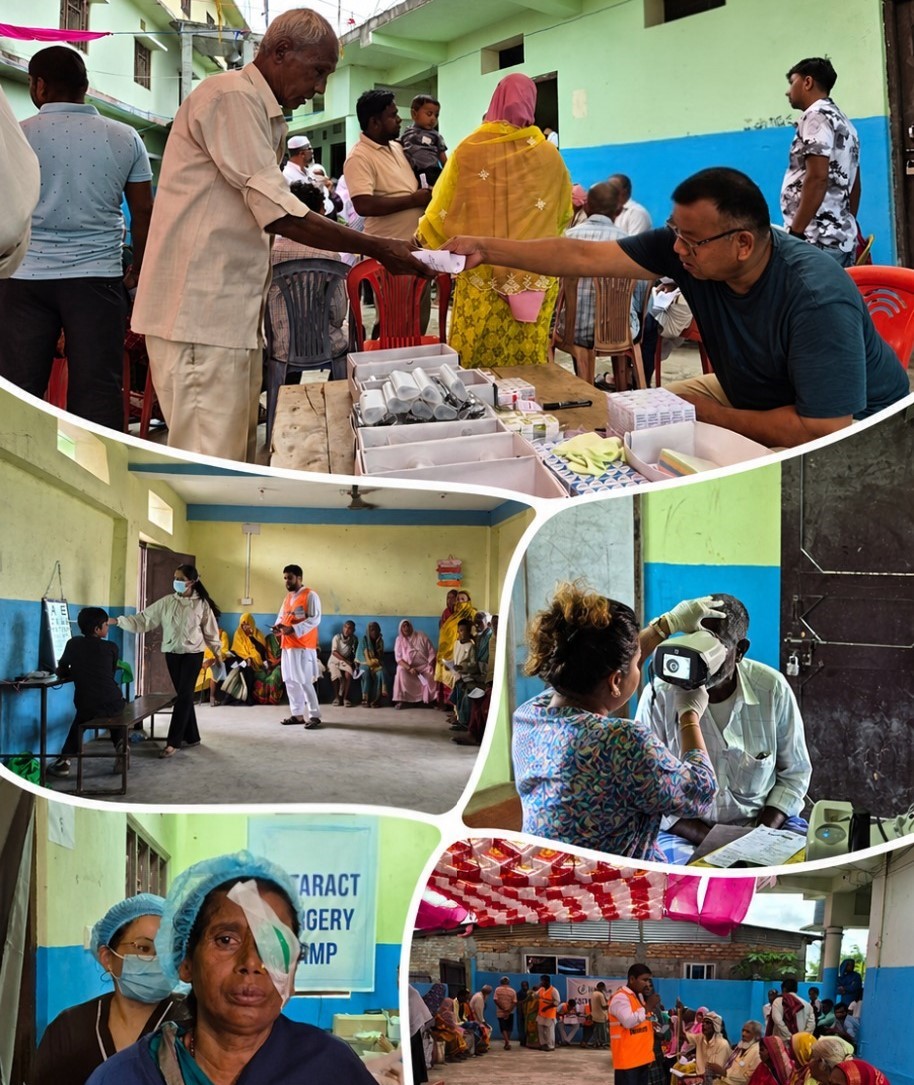
Restoring Sight, Mobility and Independence
The programme focuses on people for whom specialist eye care is difficult to reach without local support.
Greater confidence moving around independently, reduced dependence on relatives for basic daily tasks, and a better chance to return to work, worship, social life and family responsibilities are among the changes associated with treatment.
Earlier identification of other eye conditions can also help patients receive appropriate referral or monitoring.
- Greater confidence moving around independently
- Reduced dependence on relatives for basic daily tasks
- Better opportunity to return to work, worship and social life
- Earlier identification of other eye conditions requiring referral or monitoring
From Community Screening to Safe Surgery
Al Ehsan links communities, clinical teams, hospitals and funding partners through one local implementation pathway.
Community Mobilization
Local outreach, announcements and coordination help reach older people and low-income families who may otherwise delay care.
Screening & Assessment
Patients receive basic eye assessment and clinical screening to identify cataract and other conditions requiring referral.
Beneficiary Verification
The field team organizes patient information, supports vulnerable cases and keeps the treatment pathway manageable.
Surgery & Clinical Care
Eligible cataract patients are linked to qualified eye-care providers and surgical facilities for treatment.
A Programme Built to Grow
From the first 2017 camp to recurring screening, surgery and post-operative support.
The Beginning
First eye camp; around 100 cataract surgeries supported.
Scaling Access
3,920 people benefited from eye-related services; 613 cataract surgeries recorded.
Stronger Field Systems
Screening, surgery preparation and post-operative care became increasingly structured.
Multiple Outreach Camps
Different camps continued to link community screening with hospital-based treatment.
Current Milestone
15 camps reported across 2023–2026; 2,815 cataract surgeries completed to date. September 2026: 150–200 additional surgeries planned.
Local Capacity. Clinical Partnership.
Al Ehsan welcomes long-term partnerships that combine international support with experienced local implementation in Nepal.
Al Ehsan can serve as a local implementing partner for eye-health organizations, charitable foundations and donors seeking a practical, documented programme in Nepal.
By August 2026, the programme had supported 2,815 cataract surgeries. The July 2026 camp was delivered with technical support from Mechi Eye Hospital, Birtamod, Jhapa.
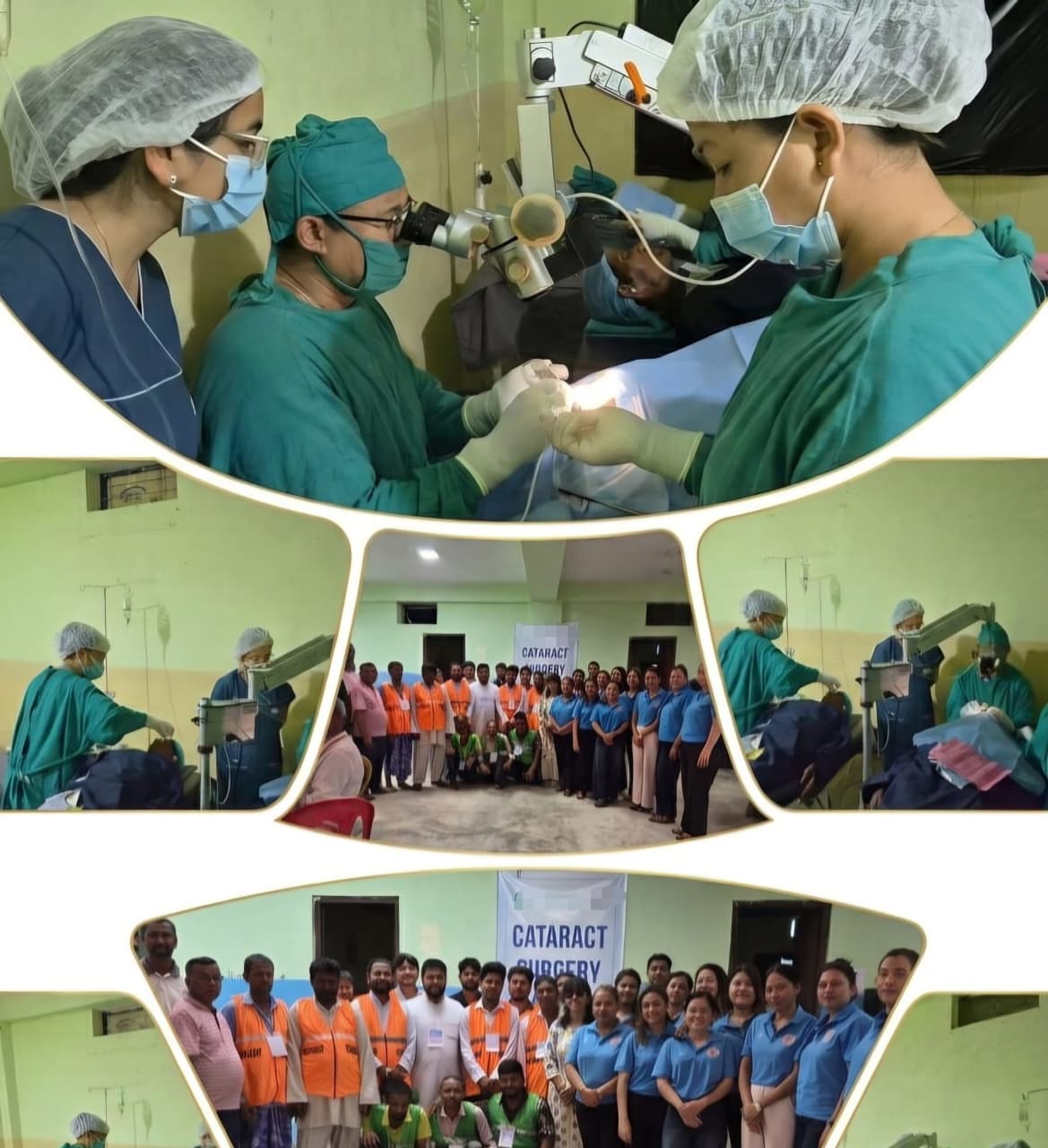
Measurable Eye-Care Impact
Al Ehsan documents patients and project activities while aiming to preserve dignity and provide clear reporting to partners.
Eye Camps Reported
Across 2023–2026, reflecting a growing community eye-care footprint.
Cataract Surgeries
Completed through August 2026.
July 2026 Surgeries
The July 2026 camp served 1,150 people.
September 2026 Planned
Additional cataract surgeries targeted for the next campaign.
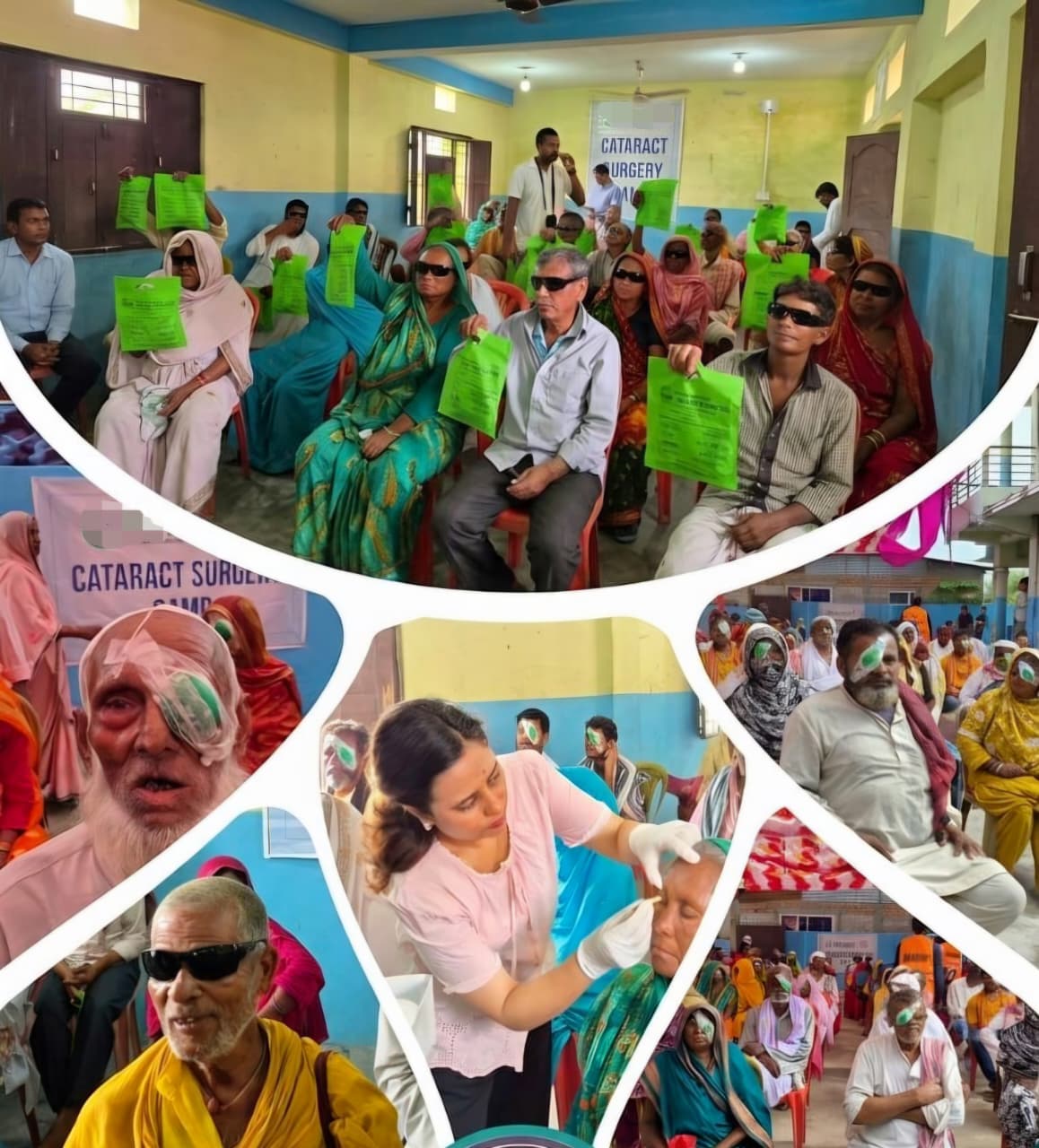
Patient Support, Recovery & Follow-Up
Eye protection, medication guidance and follow-up help patients move safely through the early recovery period.
The programme remains involved through treatment and post-operative review, supporting patients after surgery.
- Eye protection
- Medication guidance
- Post-operative support
- Recovery monitoring and follow-up
- Earlier referral or monitoring of other eye conditions where needed
Documenting the Work Responsibly
Attendance, outcomes, photographs, financial records and partner reporting are compiled for accountability.
Needs Assessment
Needs assessment and beneficiary identification support the treatment pathway.
Camp Planning
Camp planning and local coordination help organize outreach and implementation.
Patient Records
Patient records and attendance documentation are maintained for project monitoring.
Media & Financial Reporting
Photography and video evidence, financial documentation, expense tracking, completion and impact reporting support accountability to partners.
Building Reliable Access to Sight-Restoring Care
The objective is to move from individual camps toward a more predictable eye-health programme for underserved communities.
September 2026
A cataract campaign targeting approximately 150–200 surgeries.
Scheduled Outreach
Moving toward more predictable and recurring community eye-health outreach.
Stronger Referral Pathways
Strengthening referral systems and recurring surgical capacity.
Consistent Follow-Up
Building reliable access to sight-restoring care with consistent patient follow-up.
Local Capacity. Clinical Partnership. Measurable Eye-Care Impact.
Healthcare & Eye Care | Local Implementation | Monitoring & Reporting
Partner With Us